
MTB Geometry LAB - 4 year Review
by Nikko Vandenberg
I got back into mountain biking in 2020 on a budget-friendly 2019 Kona Process 153 27.5 from my LBS 24Seven Cycles.
I wasn’t new to two wheels. I’d spent the last 25+ years trail riding motorcycles and smashing pit bikes around.
Speed control, line choice, reading terrain — those felt natural.
But mountain bikes are different.
Bigger wheels.
Higher center of gravity.
More sensitivity to body position.
And far less forgiveness when geometry isn’t working with you.
This bike became my first real classroom once I found the Mad Scientist MTB Geometry Calculator - https://madscientistmtb.com/bike-geometry-compare/
The Problem
Out of the box, the Process 153 felt capable — but unsettled in corners.
It came with:
RockShox Yari 160mm
Fork Offset: 46mm offset
—> More Offset = Reduced trail and Slower response to rider input
Trail: 105.48mm
Frame Stack: 607mm
66° head tube angle
45mm stem
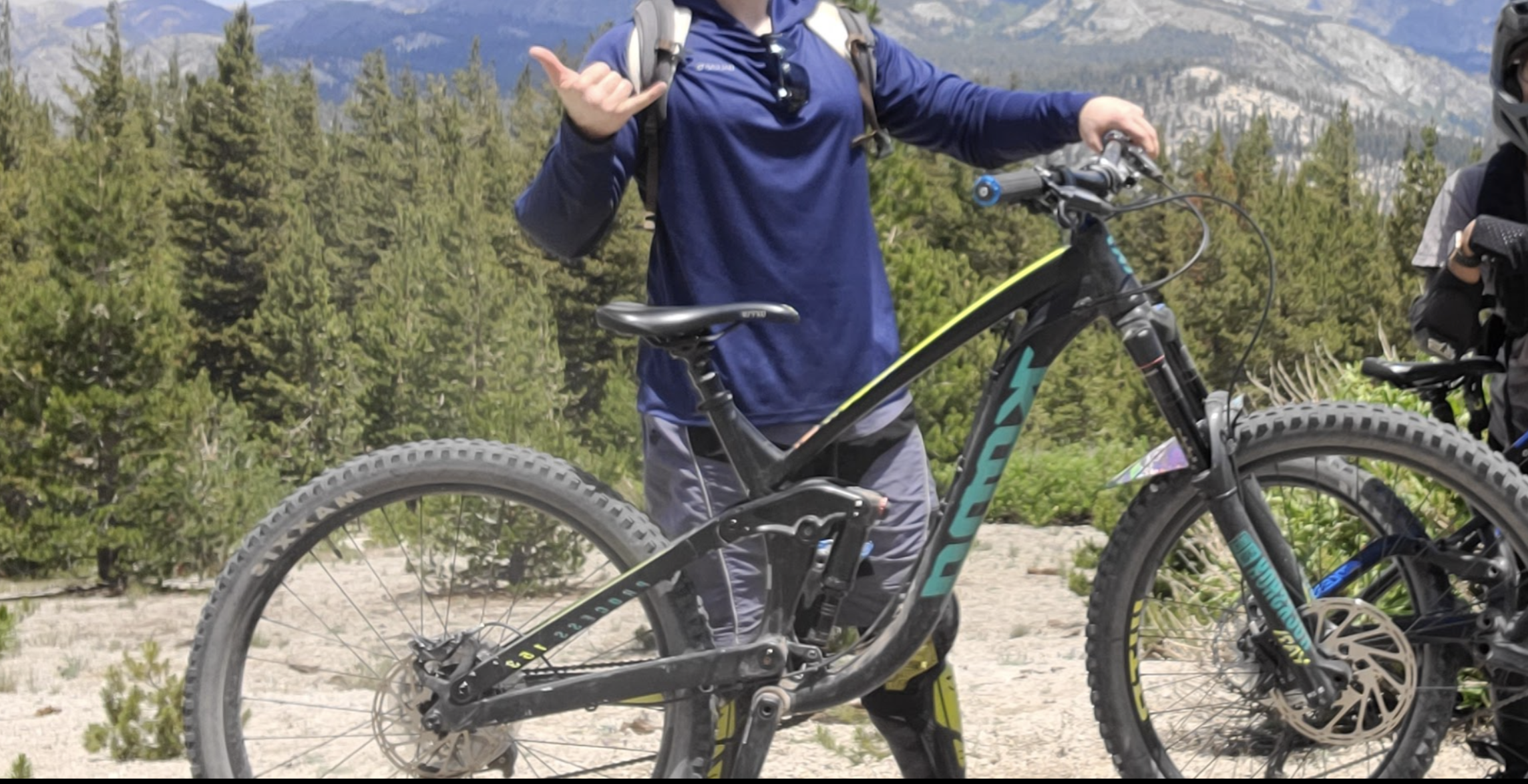
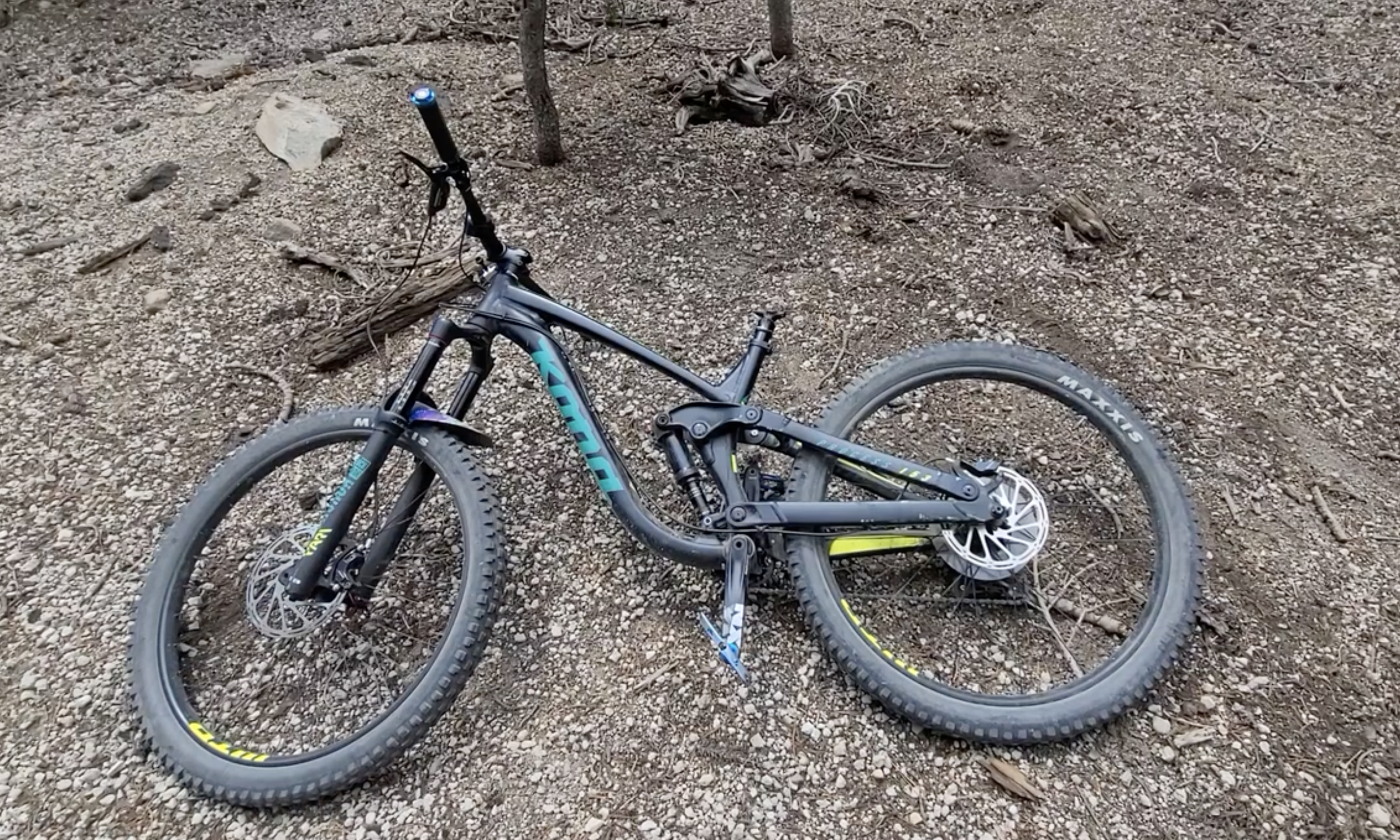
At the time I was riding Southern California bike parks and XC-oriented trails, running:
Tire Pressure: 30 PSI front and rear
Fork Sag: 25%
Shock Sag: 25%
On trail, I constantly felt like I had to aggressively weight the front end to hold a line.
The front tire of the 2019 process 153 ‘27.5’ would washout through berms. After a few laps on my wifes 2015 Process 153 ‘27.5’ I realized there was something off about the bike geometry when it came to cornering.
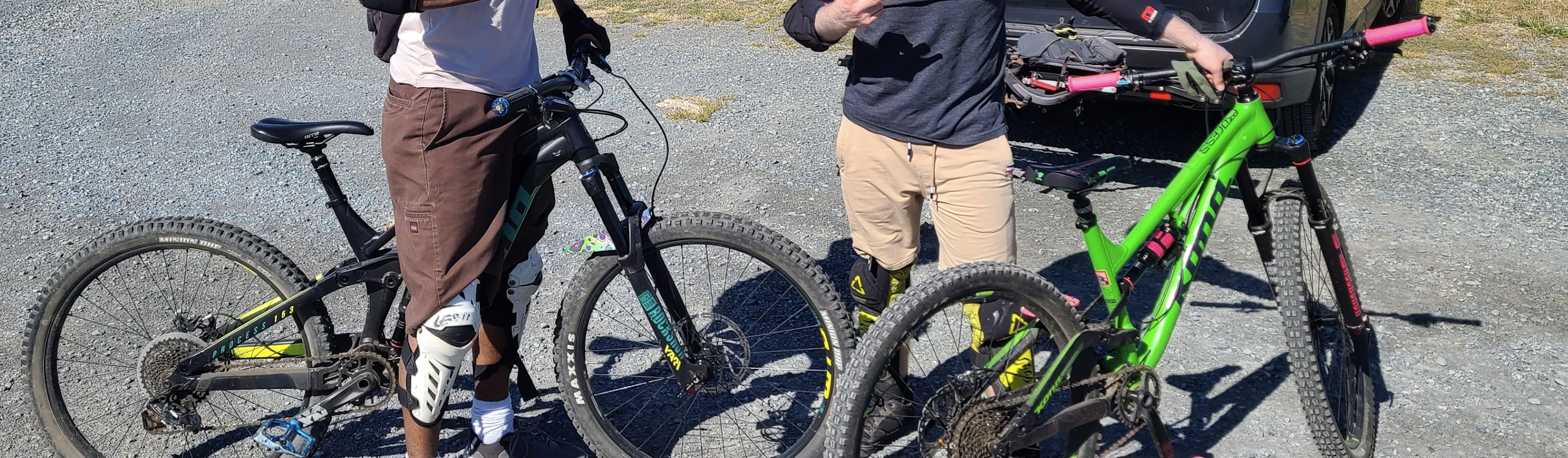
2019 Process -vs- 2015 Process
By now everyone has agreed that a 140mm - 160mm bike with 27.5 wheels should use a 37mm offset. Yet this was not common place until after I started my journey with these geometry labs.
V1 — Stock
(The Baseline)
Trail: 105.48mm
Effective Stack: 637mm = 607mm + 30mm stem spacers
Head Tube: 66°
Problem: Nervous front end.
Required deliberate forward weighting.
Not confidence-inspiring in rough terrain.
You can ride around geometry… but the fun factor is diminished.
V2 — Cockpit Adjustments
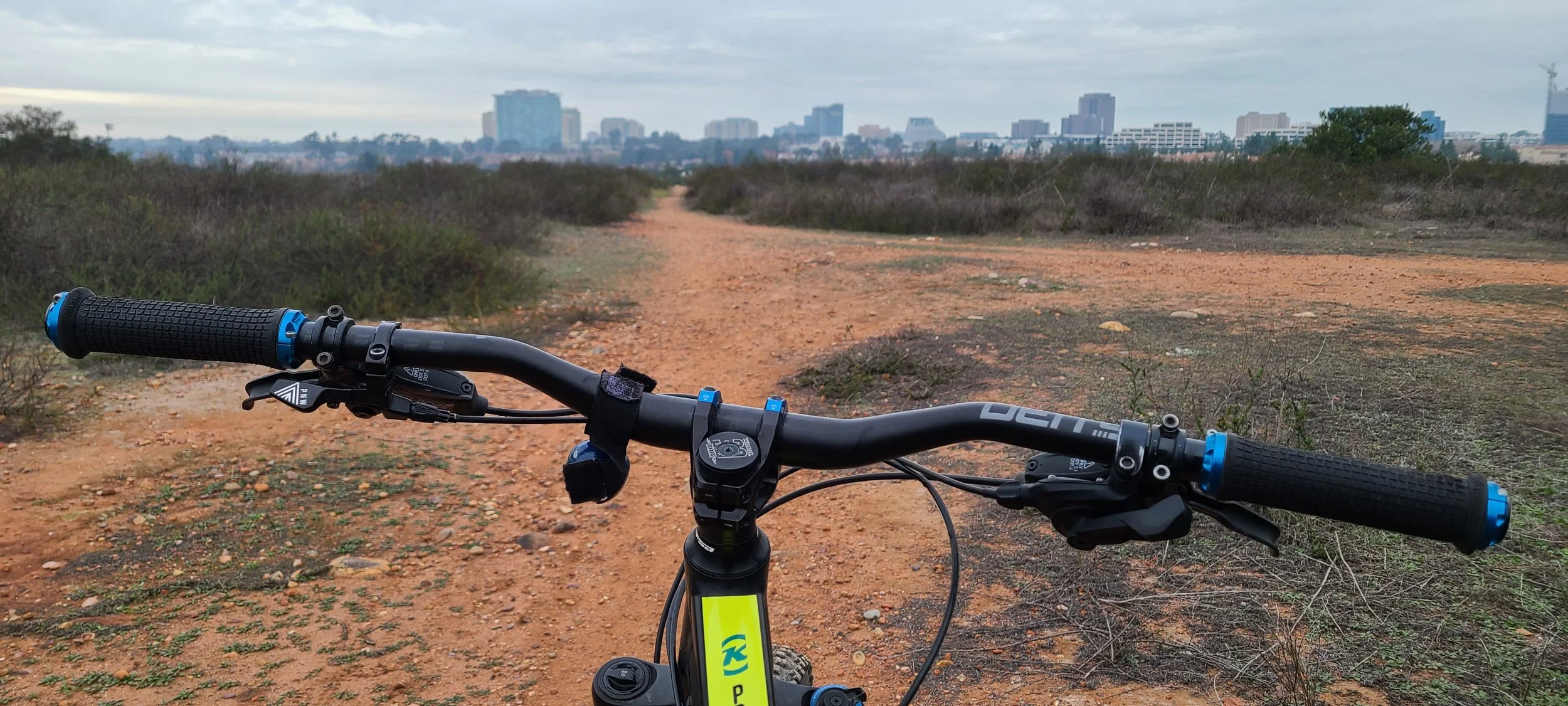
(Band-Aid Stage)
Yari Select 27.5
46mm offset
Trail: 105mm
Frame Stack: 607mm
Head tube: 66°
Upgraded Bars: +38mm Rise (Deity - Black Label Bars)
Upgraded Stem: +10mm rise (Funn Equalizer Stem)
Effective Stack: ~685mm
I shortened the stem from 45mm to 35mm and added +38mm rise bars.
That brought my effective stack up to around 685mm.
The Result:
I could weight the front with about 20% less effort.
—For clarity: I still had to move my body forward about 14 inch every time I wanted to initiate a turn. This is a big shift in my body position compared to my Evo Alloy & the V3 version of this bike with a 37mm offset fork.
V3 — Angleset + Reduced Offset
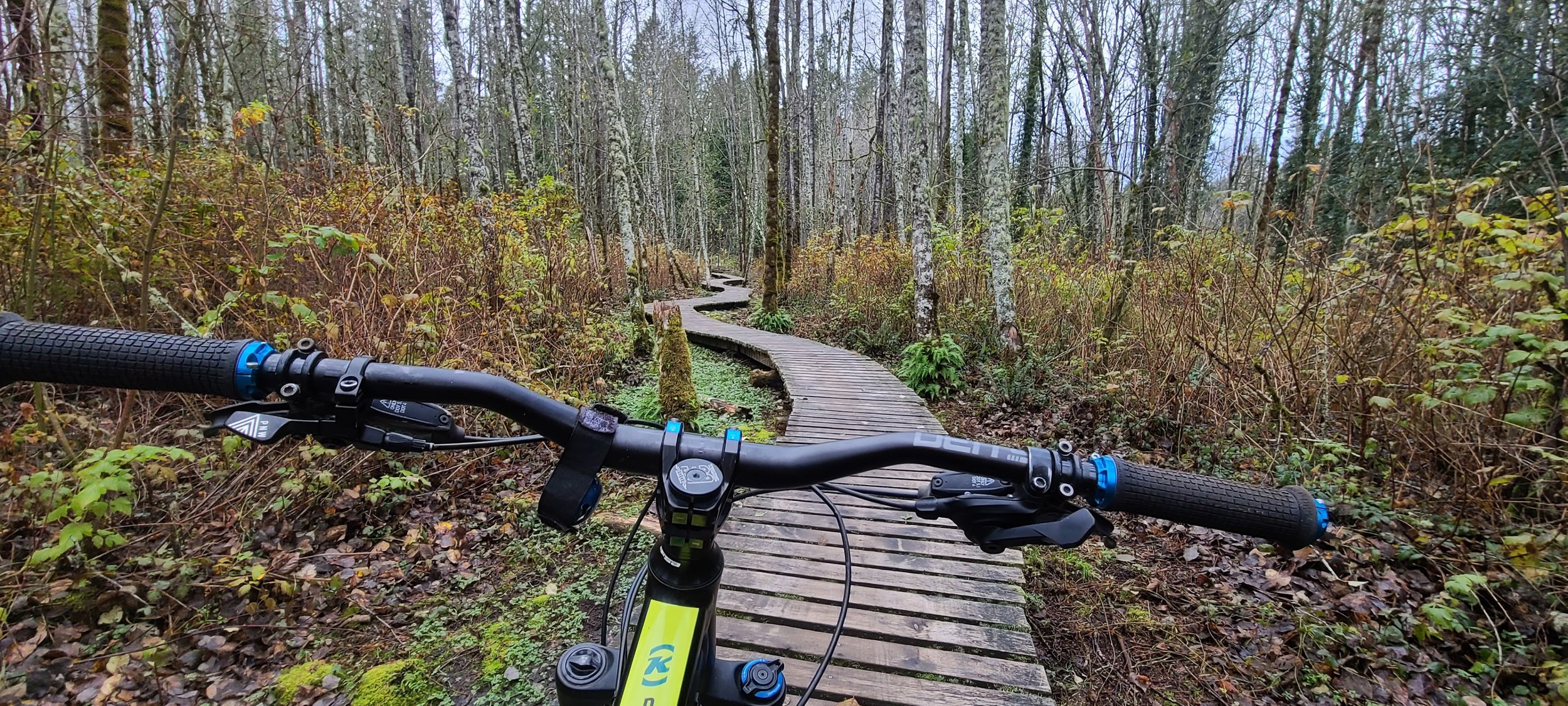
The “Ohhh” Moment
This is where things got interesting.
Lyrik Ultimate 160mm
37mm offset
Trail: 122.06mm
1° Wolftooth angleset
Head tube: 65°
Effective Stack: ~687mm
The difference was dramatic.
The shorter offset and slacker head angle increased trail significantly.
The front end stopped feeling nervous.
Cornering in berms and tight switchbacks became incredibly easily to navigate.
I no longer had to exaggerate forward body position.
The bike finally started feeling like it wanted to hook up into any turn at a moments notice.
This was the moment I understood how trail actually changes handling and how important it was for bike control.
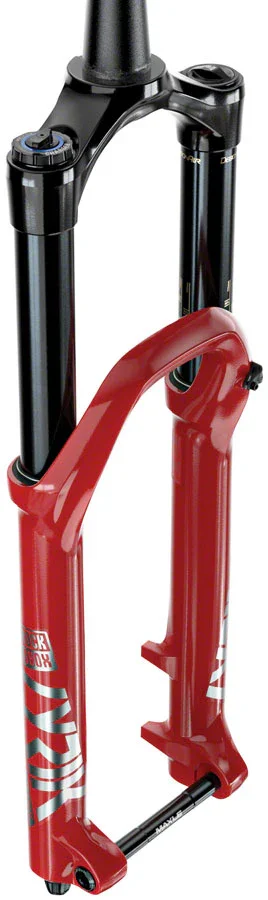
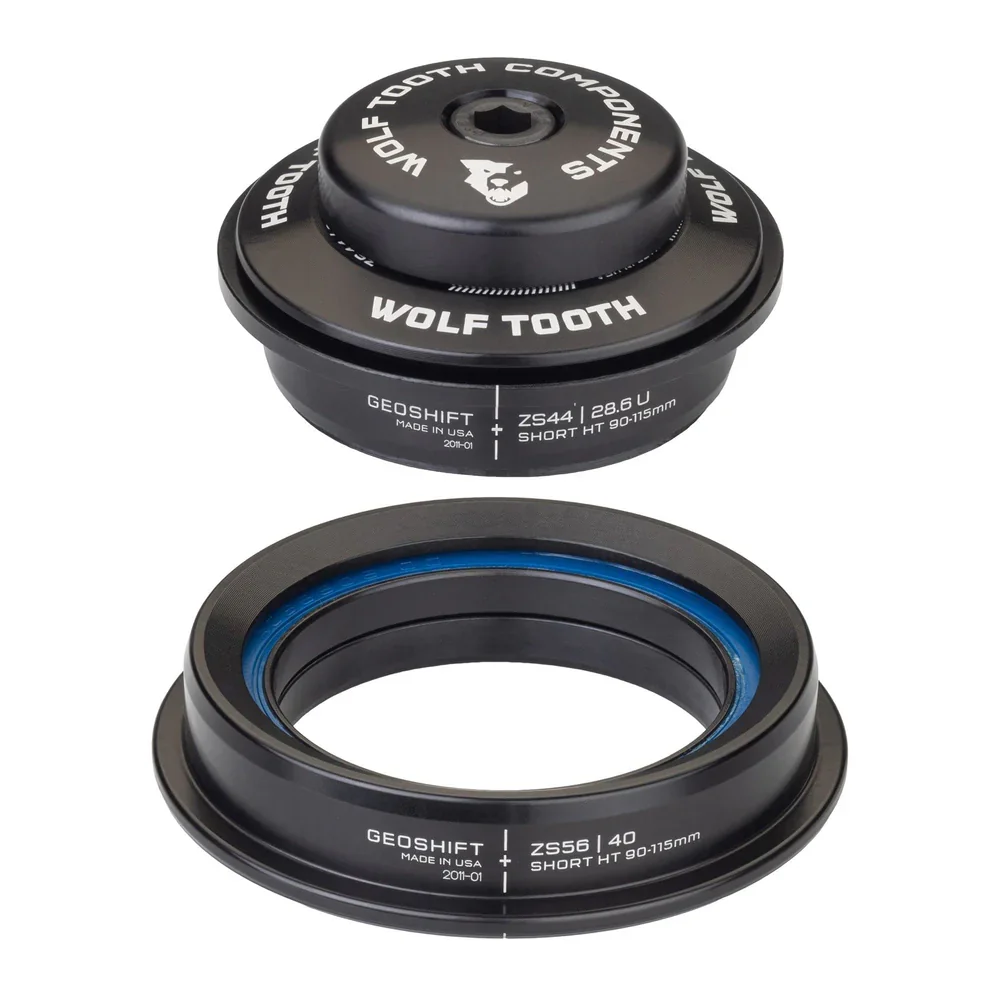
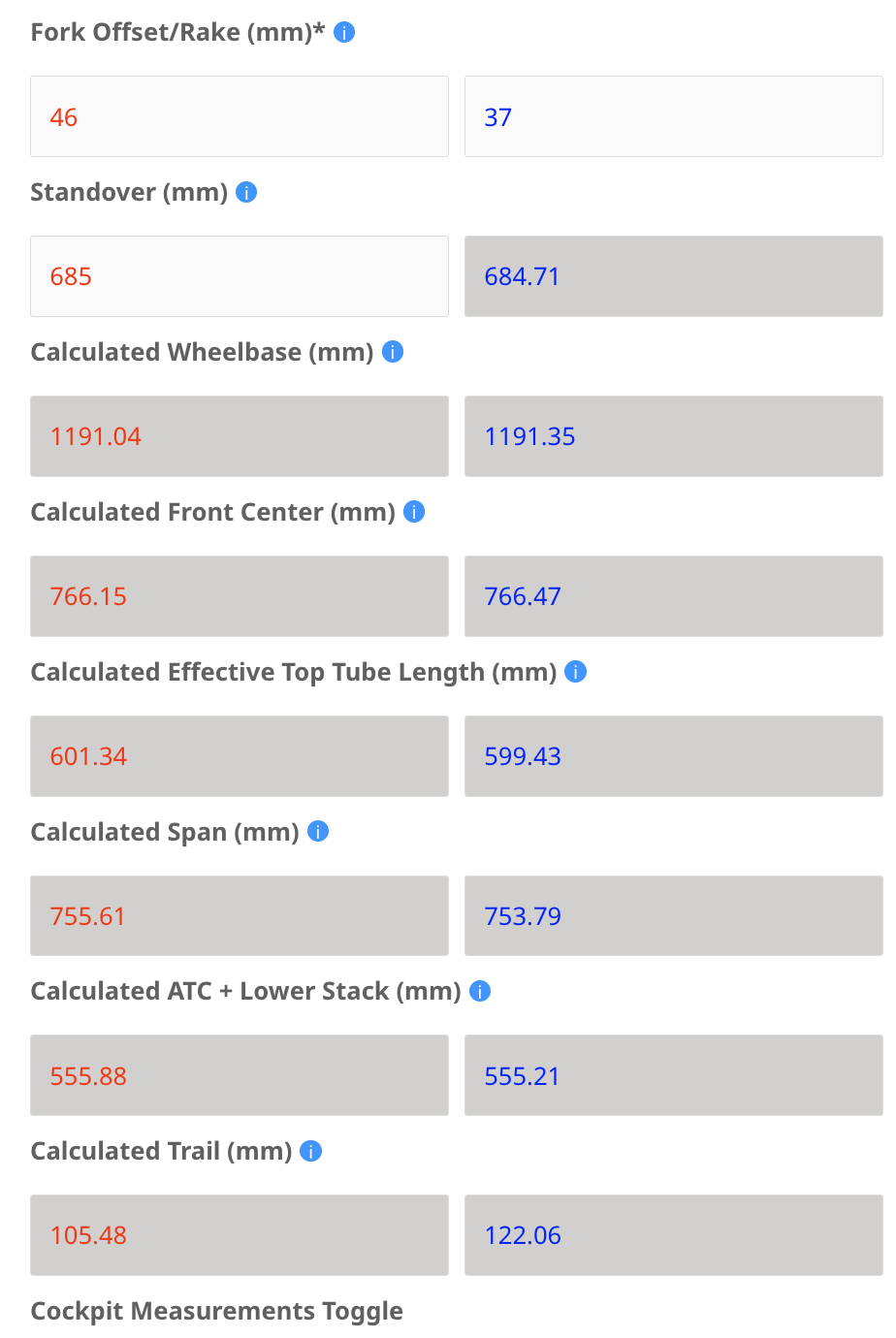
Hidden Cost of Angle Headsets
Slacking out a head tube might feel like a cheat code, but geometry always collects its payment somewhere.
The Zero Stack - Wolf Tooth -1 Degree Angle Headset lowered my effective stack slightly.
On steep PNW terrain, that drop becomes noticeable when things get steep.
Important note:
If you are over forking a bike this zero stack can help retain your original bottom bracket height.
Everything interacts:
Stack
Trail
BB height
Offset
Progression
V4 — Mullet Trail Configuration
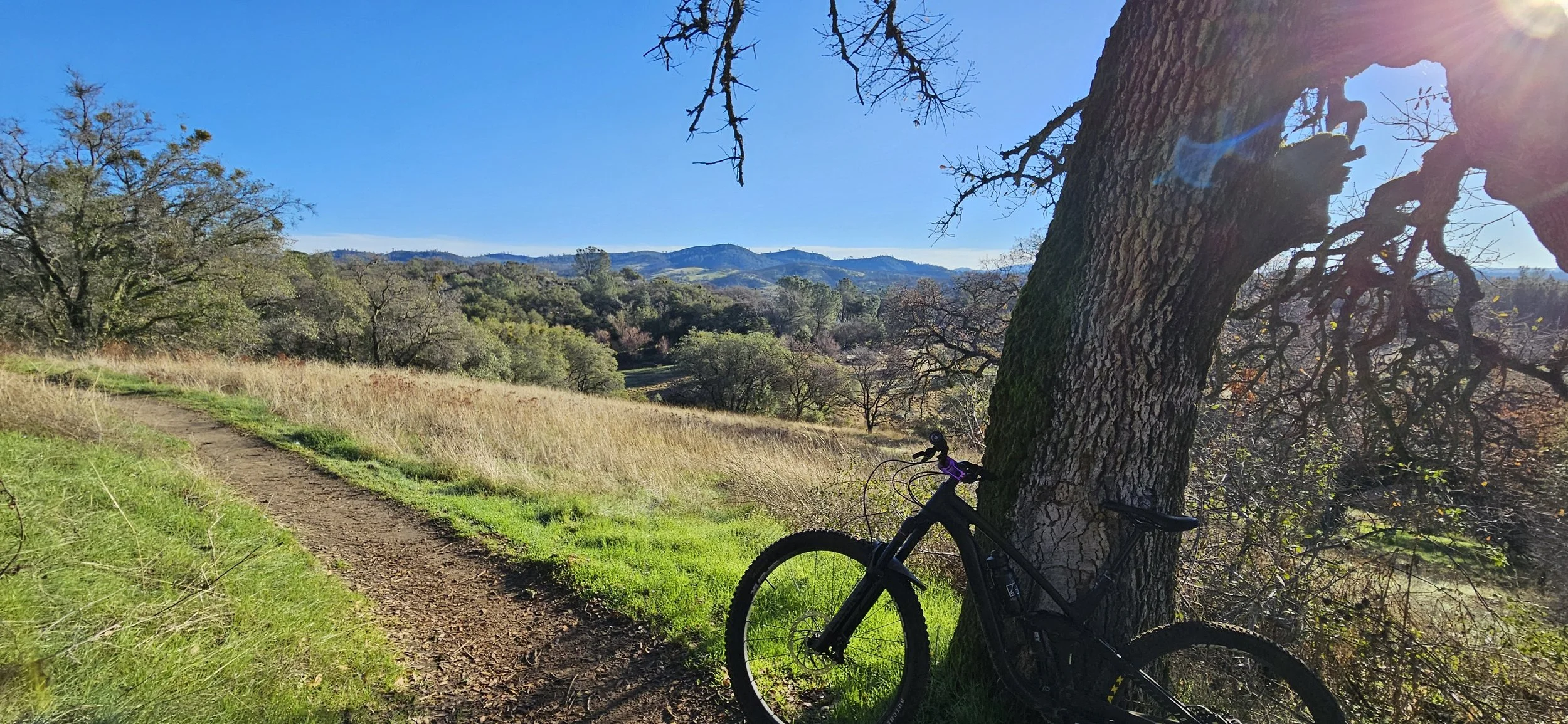
150mm Lyrik Base D1 (29” front)
+ 30mm Axel-to-Crown (Roughly)
Fork Offset: 42mm
Trail: 141.45mm
Angle Headset -1°
Offset bushing: 8mm bolt -2mm offset | 0.5° | -5mm BB
Head tube: ~63°
Effective Stack: ~695mm
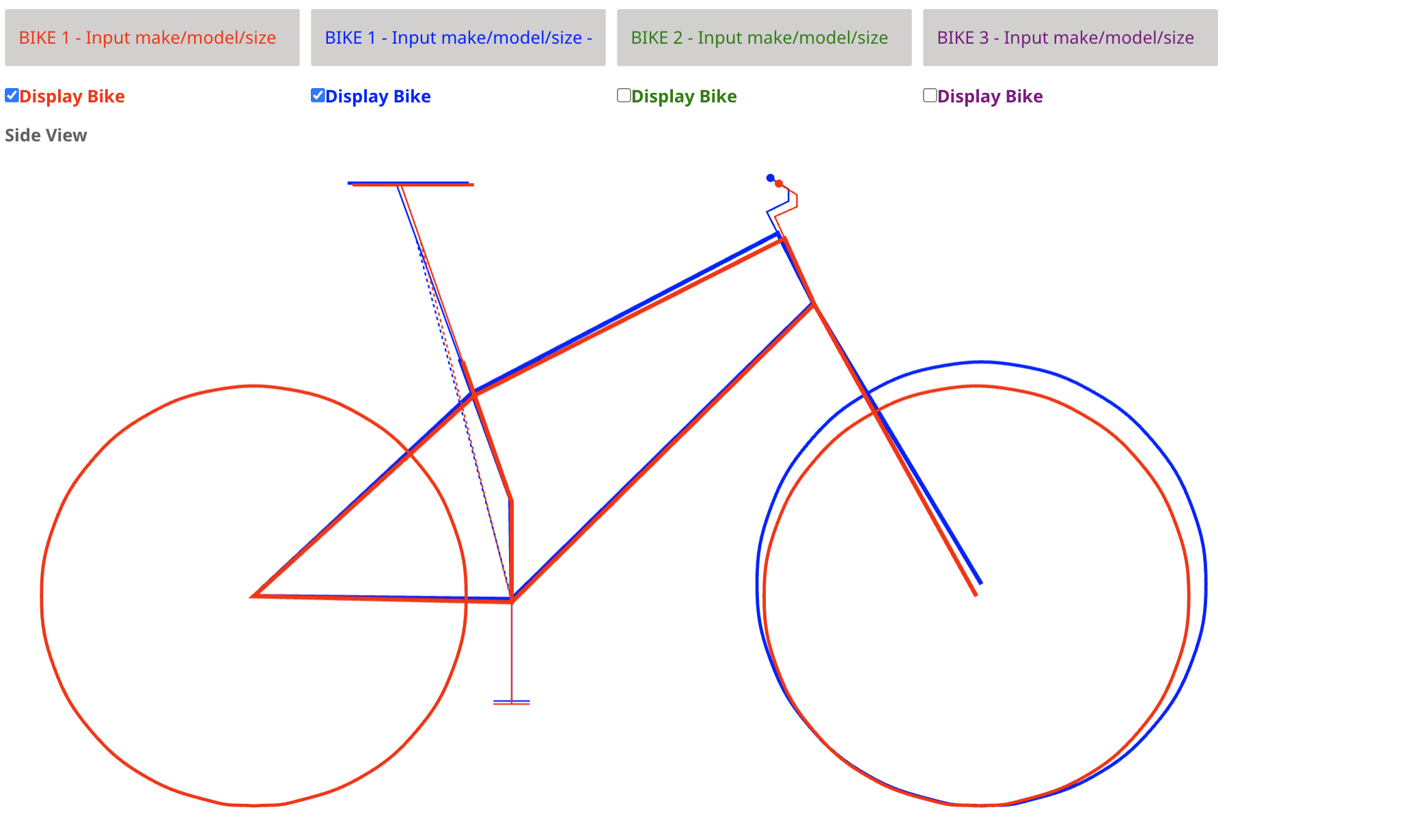
This setup was incredibly fun.
The taller stack restored confidence on steep terrain. The mullet configuration brought back agility.
At 150/153 with a 63° head tube angle it handled chunky sections better than stock without sacrificing pedaling manners.
However on steeper climbs that steep head tube angle paired with the 425 chainstay required a forward body position when climbing steeper sections of trails.
For PNW terrain, this felt much closer to modern trail geometry.
V5 — 170/160 Freeride + Cascade
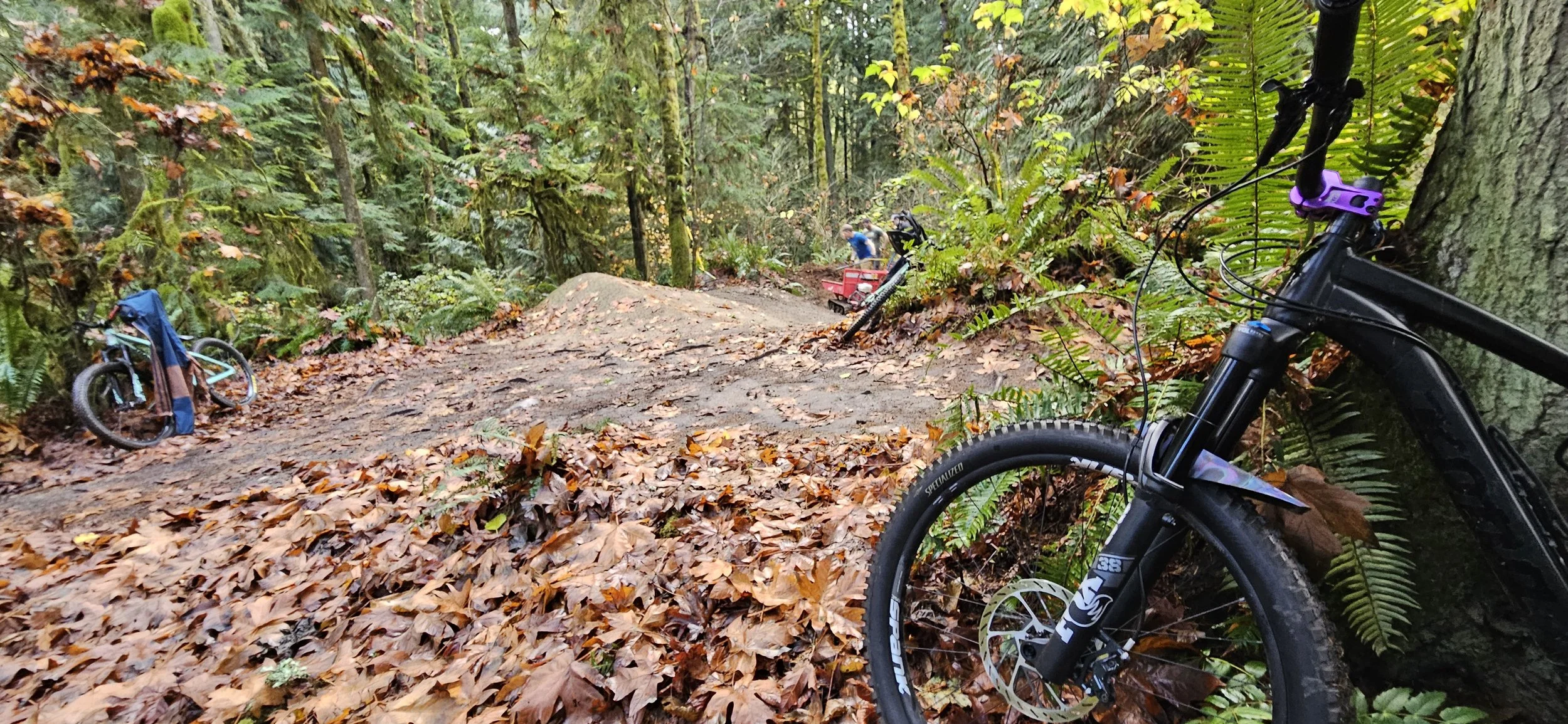
Fork: Fox 38 170mm - 27.5 (+5 stack)
Fork Offset: 44mm offset
Trail: 123.38mm
Rear Shock: Marzocchi Bomber Air
Rear Shock - Offset bushing: 8mm bolt -2mm offset | 0.5° | -5mm BB
Drops bottom bracket 10mm
Cascade linkage
Progression increased from 11% → 24%
Head tube: ~63.5°
Effective Stack: ~690mm
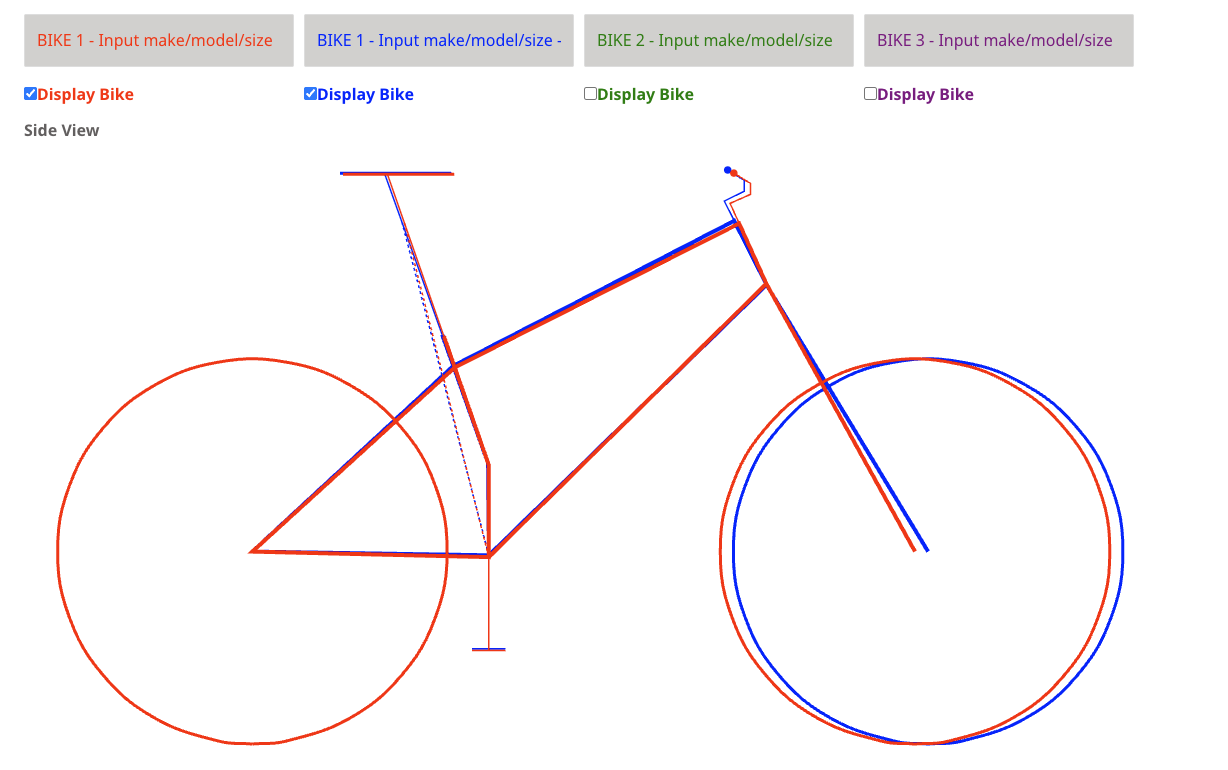
The Cascade linkage dramatically increased mid-stroke support and bottom-out resistance.
The bike handled gnarlier features far better than stock.
But here’s the nuance:
More progression changes the personality of the bike.
The stock 11% progression:
Minimal pedal bob (Best I have experience.)
Playful
Easy to get airborne on slower trails
The 24% progression:
More capable and forgiving on bike park features
More planted consecutive hits like the endless root gardens you find on my local steep and deep trails.
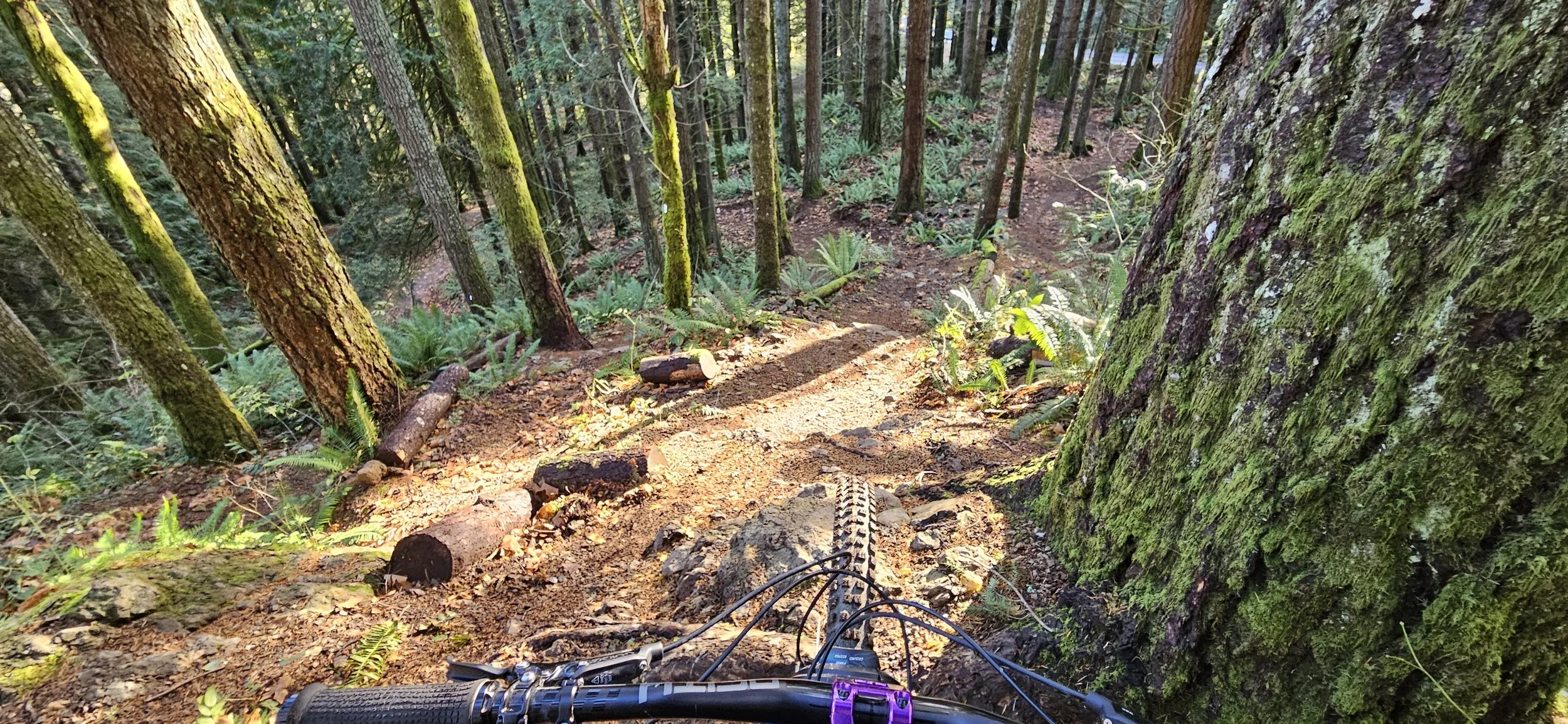
Stack height still wasn’t as comfortable as these newer 29/27.5 enduro bikes.
Evo Alloy - WRP/Cascade 170/160
Rocky Mountain Altitude A50 - Mx
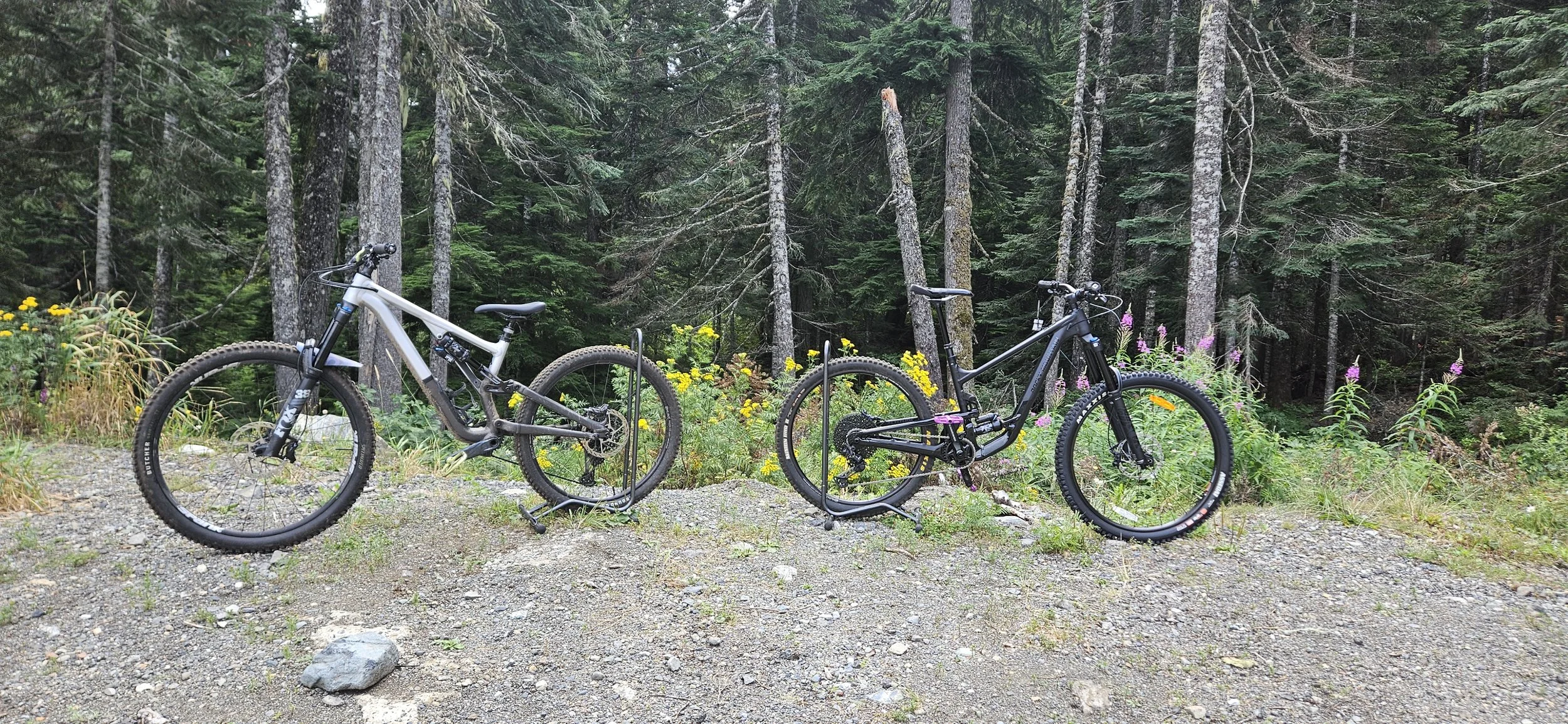
Those bikes have a mountain sled position that makes truly steep descents less intimidating.
At some point I may install a 170mm FOX 38 29 fork on the bike to see the additional axel-to-crown gives me the stack height I like on steep trails. –But at that point I start to worry about frame stress and lean back into my other
bikes that were actually designed with modern enduro geometry.
My Favorite Setup
After years of experimenting, my favorite configuration has been:
V4 - 150 Mullet trail with stock linkage.
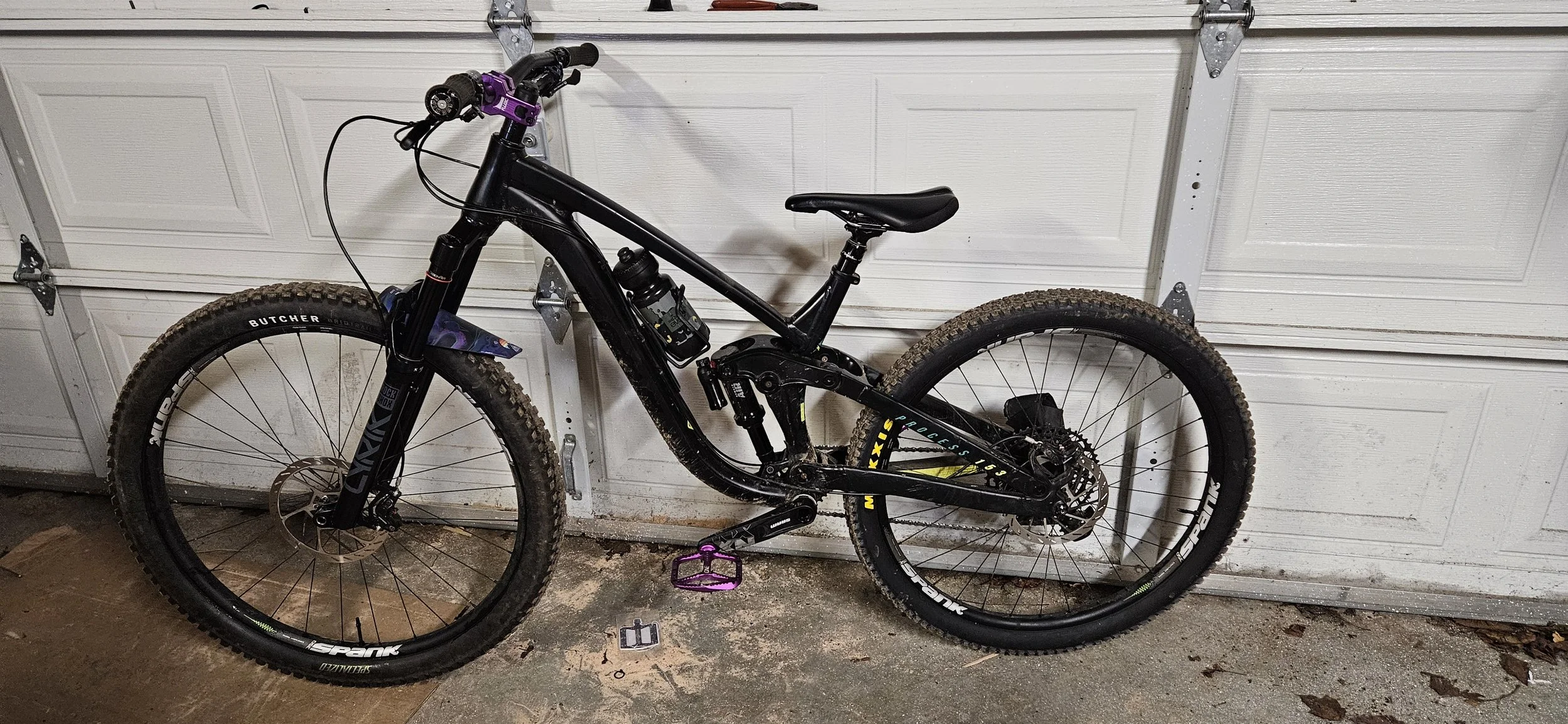
Why?
Preserved pedaling efficiency
Maintained BB balance
Felt lively on slower trails
Still handled steep terrain reasonably well
This trail setup kept the spirit of the Process 153 while modernizing its front end.
The Bigger Lesson
This bike is now a ‘relic’ by some standards
Yet it has been an excellent geometry laboratory.
Through this platform I learned:
How offset changes steering feel
How trail affects front-end confidence
How stack influences steep-terrain control
How progression reshapes ride personality
How small numbers create big differences
This isn’t a recommendation to aggressively modify your geometry.
Extreme geometry changes can:
Increase frame stress
Alter design intent
Void warranties
This was an educational exercise — not a prescription.
Berm Party Take
The Process 153 taught me something important:
You don’t always need a new bike.
Sometimes you need to understand the one you already own.
The Geometry of a bike system is not a trend.
It is a physics problem with many variables.
Some variables have a major impact on safety and ride quality.
That shift in thinking is what led to the - Trail Rated Bikes - Tuning Notebook
Geometry Experiment Snapshot
Calculated Effective Stack = Bar Rise + Stem Spacers + (Frame Stack x Geo Adjust)
LEGEND
HTA = head tube angle | ES = effective stack | FO = Fork Offset
V1 Stock.
HTA: 66° | FO: 46mm | ES: 637mm | Trail: 105mm
Problem: Required aggressive front weighting
V2 Cockpit.
HTA: 66° | FO: 46mm | ES: 685mm | Trail: 105mm
Riser Bars & Short stem
+48mm rise & -15mm reach
Result: 20% improved body position
V3 - Offset reduction - 37mm offset
HTA: 65° | FO: 37mm | ES: 685mm | Trail: 122mm
Parts: Lyrik Ultimate 160mm - 27.5
-1° Angle headset
Result: Switchback precision
V4 - Mullet 150/153
HTA: 63.3° | FO: 42mm | ES: 695mm | Trail: 141mm
Parts: Lyrik 150mm fork - 29in
29/27.5 - Mullet Wheels
-2mm offset | -0.5° | -5mmBB
-1° Angle headset
Unchanged: Stock Linkage
Result: Steep terrain confidence, small steep climb penalty
V5 Cascade 170/160
HTA: 63.5° | FO: 44mm | ES: 690mm | Trail: 123mm
Cascade Link + Fox 38 27.5
-2mm offset | -0.5° | -5mm BB
-1° Angle headset
Result: Rough tech capable, less stack comfort
Author: Nikko Vandenberg
Disclaimer
These experiments were conducted over multiple years with professional shop input. We are not recommending aggressive fork length changes, extreme slackening, or linkage modifications unless you fully understand the structural implications for your frame. Significant geometry changes can increase stress on head tubes, bearings, and suspension pivots. Consult your manufacturer and qualified mechanics before attempting similar modifications.
Berm Party does not encourage over-forking or unsafe frame modifications. Do so at your own risk.
Measurements have been best effort verified with limited precision tools and estimated using MadScientistMTB
Bike geometry reference: 2019 Kona Process 153 27.5 Archive
