Eight questions
before choosing a mountain bike...
1. What trails will you ride?
Start by visiting the Trailforks website and looking at the trails in your area. If you have good access to green, blue, and black trails, a full-suspension bike is worth considering. If you plan to ride local bike parks, it’s in your best interest to look at aggressive trail or enduro bikes.
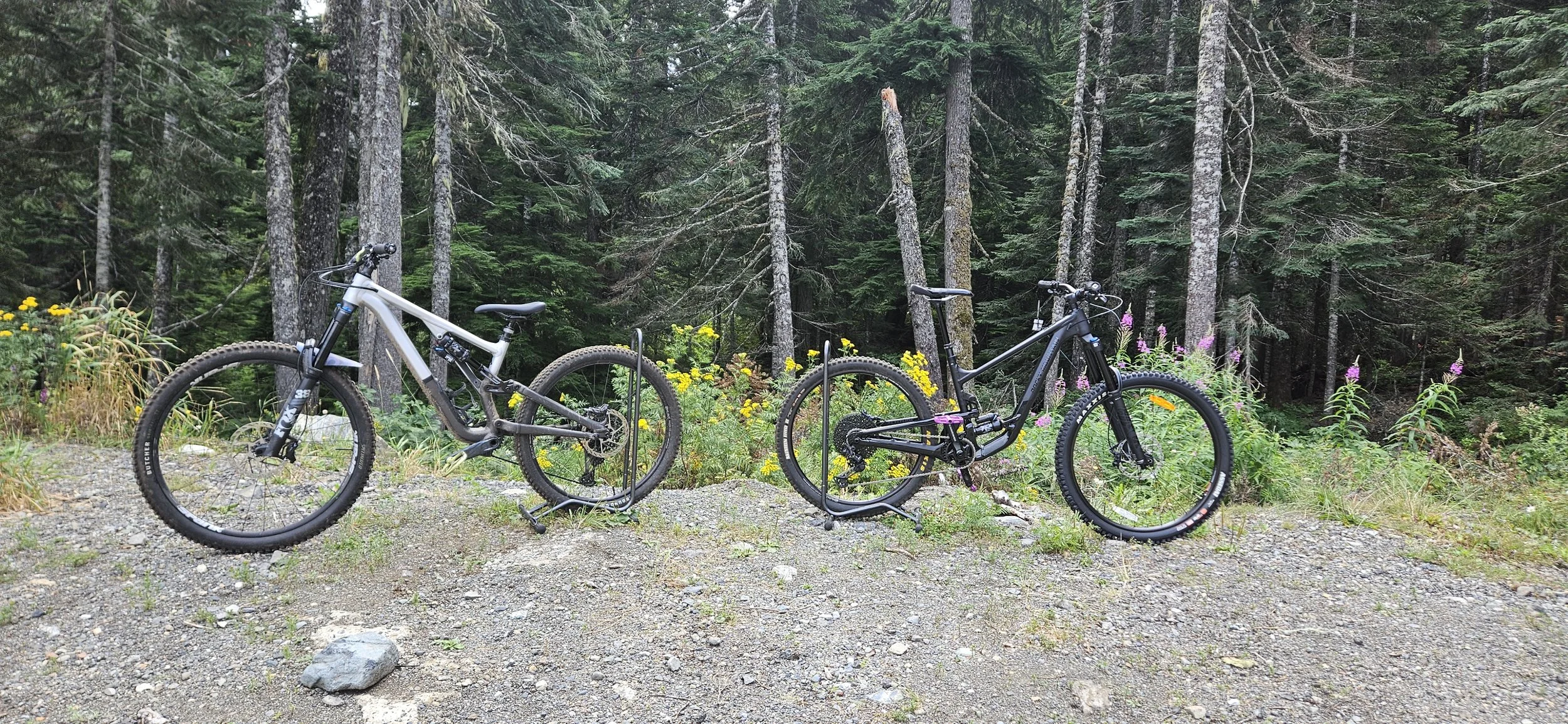
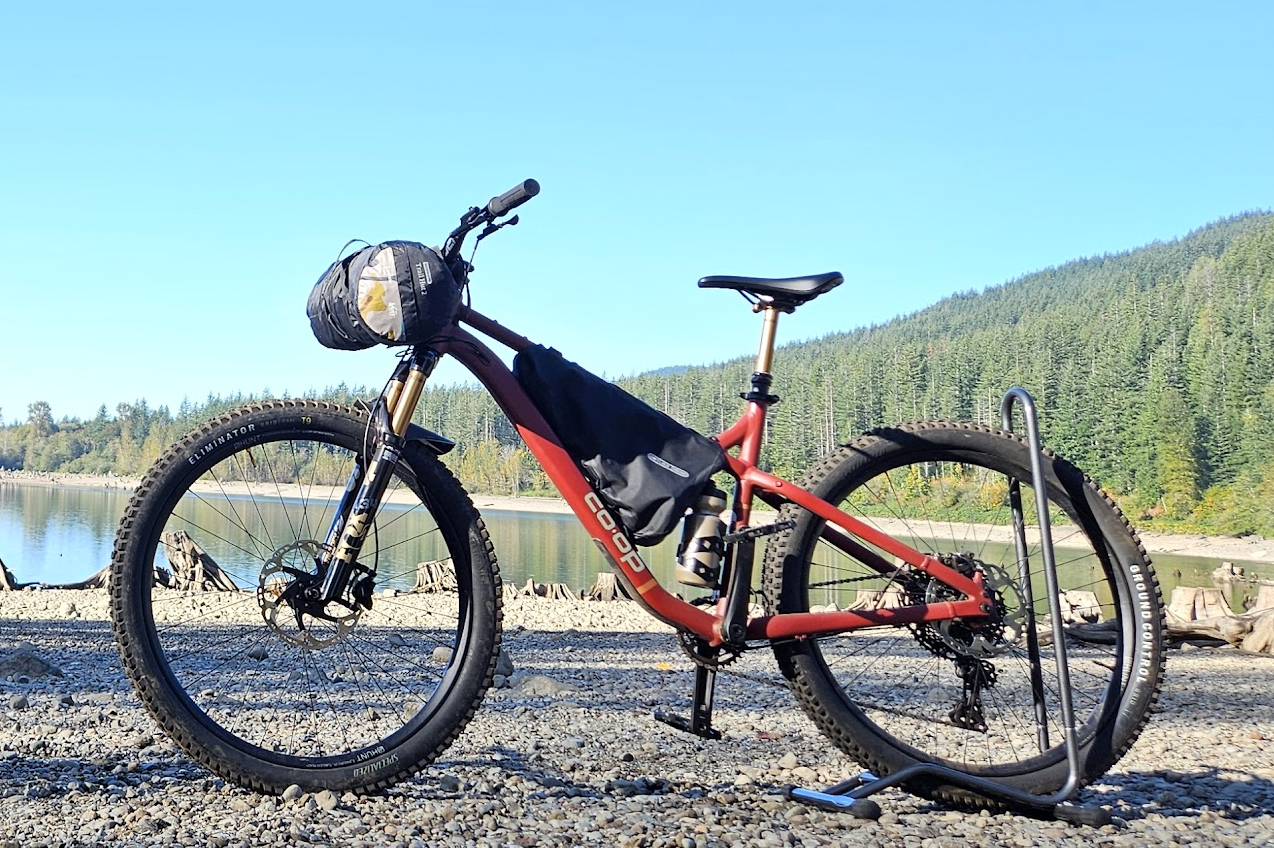
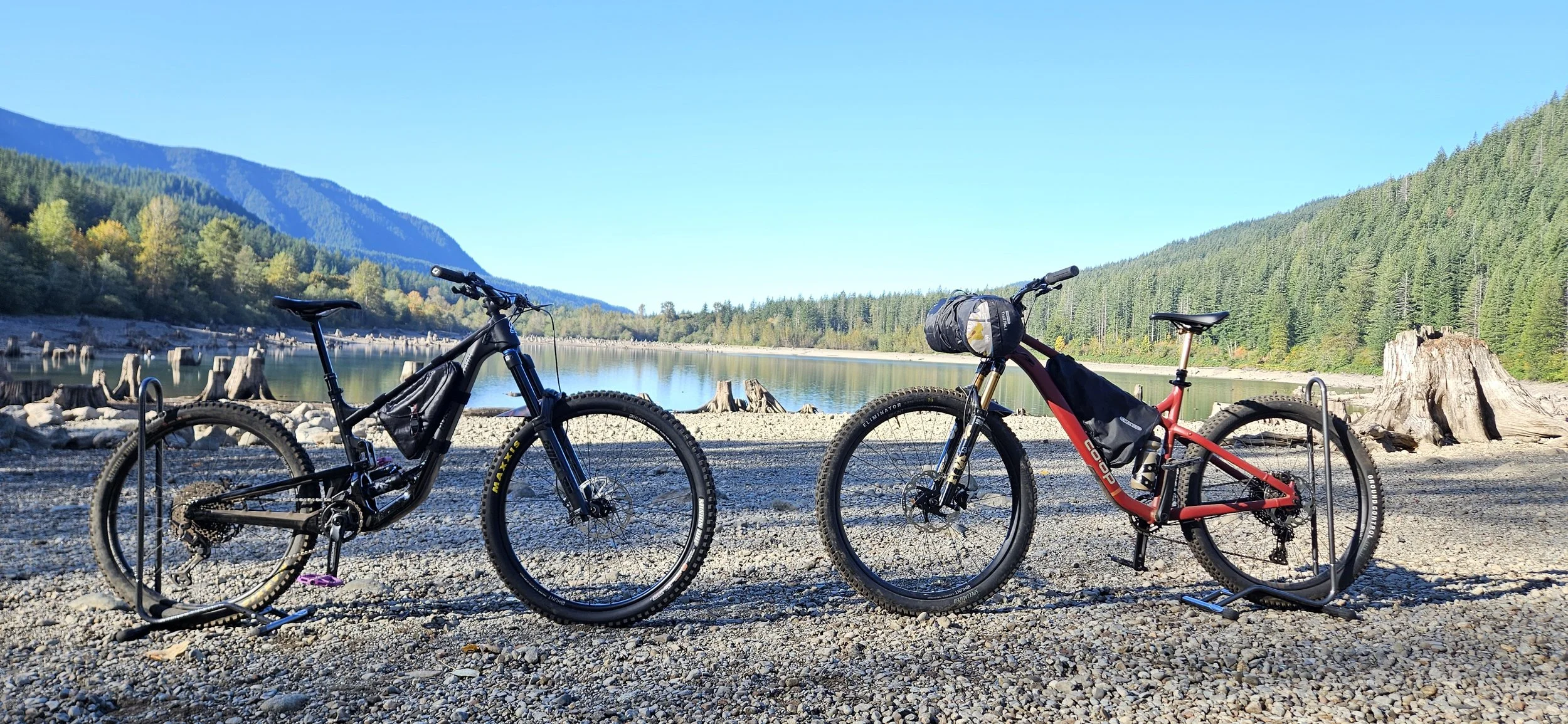
My personal favorites are the 2022–2024 Evo Alloy custom build, Rocky Mountain Altitude, and Transition Patrol—primarily because I’m 5’7” and prefer the characteristics of a mullet bike.
[Evo Alloy & Altitude]
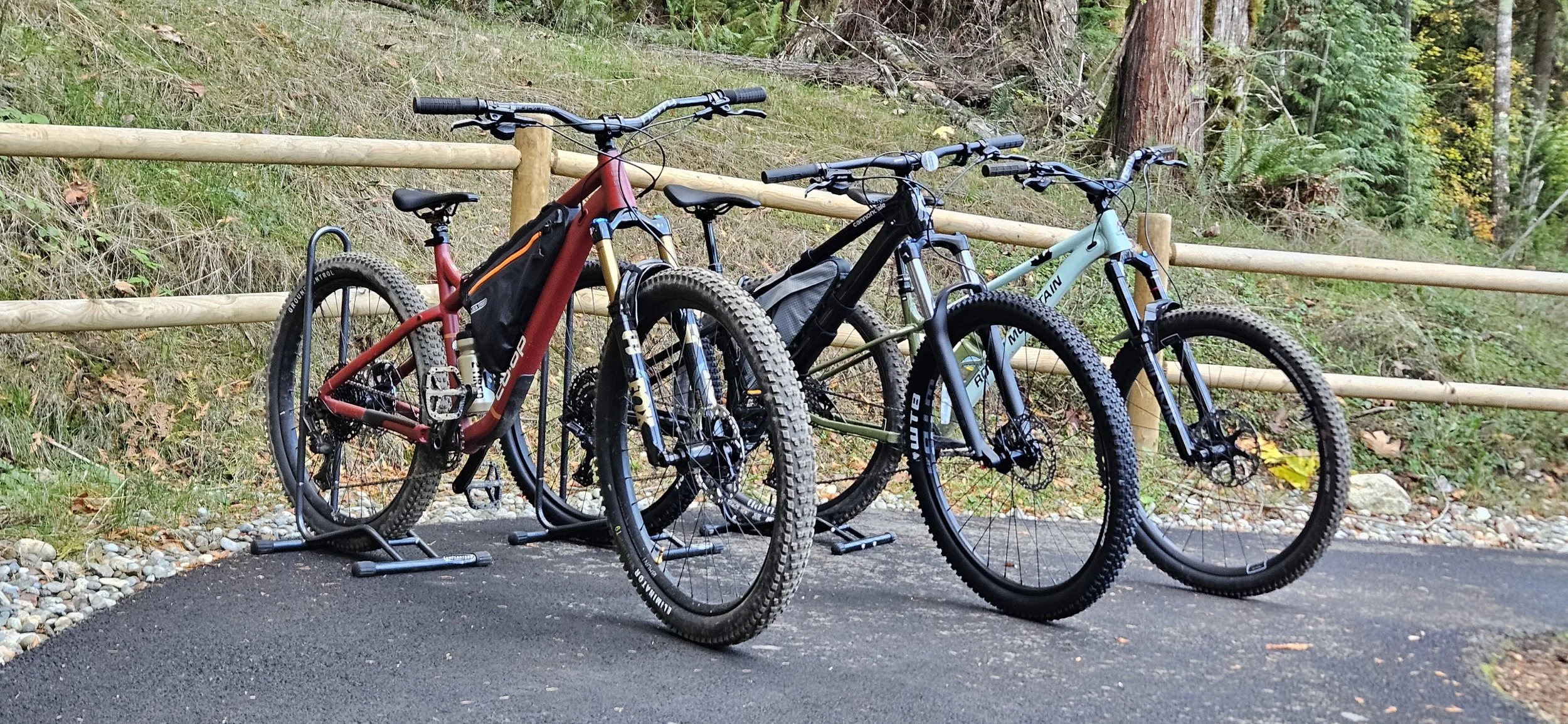
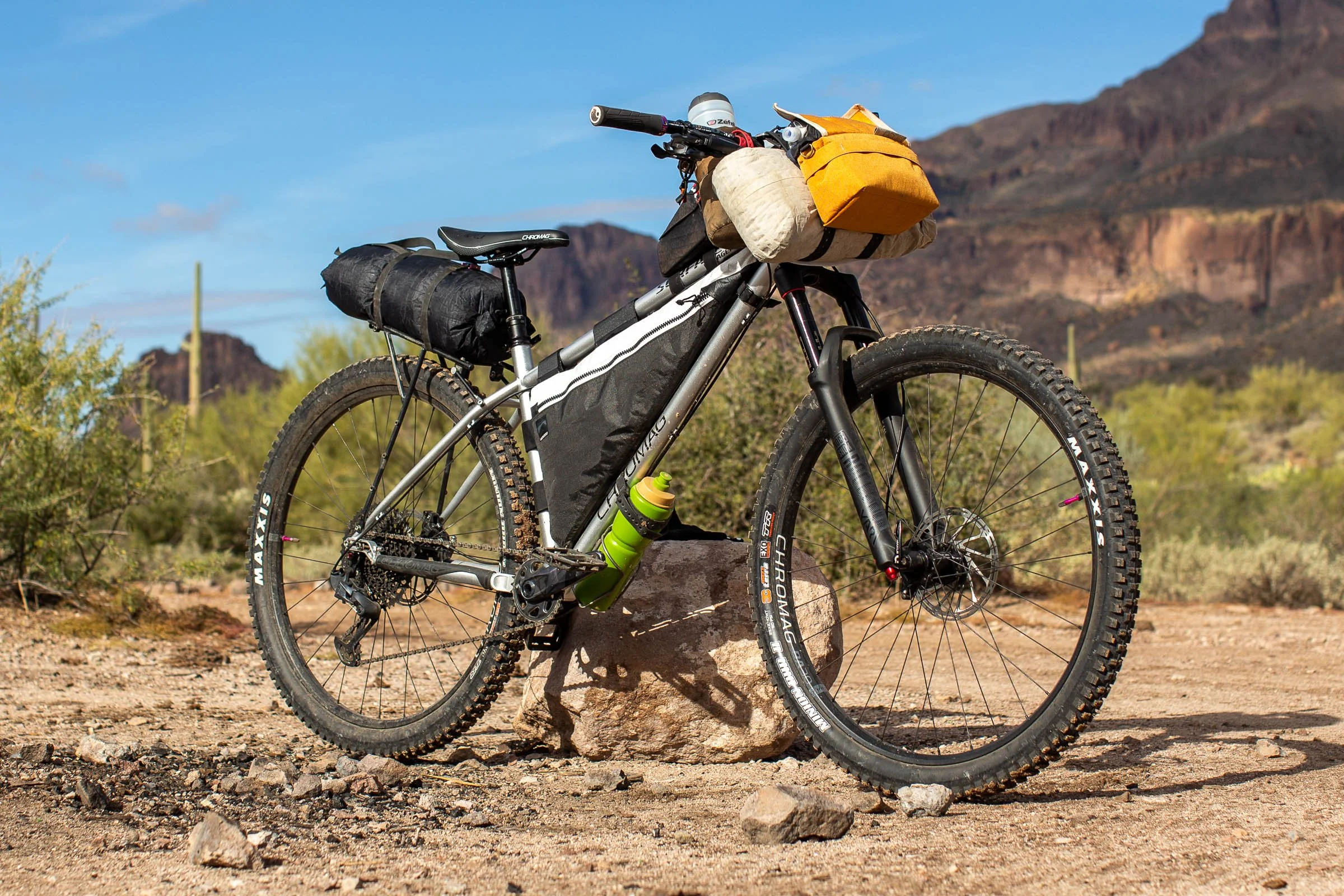
If your riding will mostly be rolling terrain, or if you are bike packing curious a hardtail like the REI DRT 1.2 or Chromag Surface Voyager are great options. These bikes are extremely comfortable, offer lots of mounting points for bike bags, and are still very upgradable.
2. Your Bike Handling Experience?
If you’re already comfortable on a bike and have experience on unpaved roads, it makes sense to invest in a bike that gives you room to grow into more technical trails. More suspension can provide a more comfortable ride, but it can also be more challenging to set up correctly.
I think Marin and Kona offer the best overall value for most beginners. They tend to spec practical components at fair price points without unnecessary flash. If you can afford the higher price tag, Transition and Rocky Mountain take the cake from my experience.
If you’re more risk-averse and don’t plan to ride blue trails, a hardtail may offer the best overall experience. Hardtails teach precise line choice and also make excellent gravel or bikepacking rigs. Two of my favorites are the Growler and REI DRT 1.2 Custom.
A Note on Jumping and Progression
Jumping is one of the most enjoyable parts of mountain biking — but it’s also where many injuries happen.
It’s easy to underestimate how much situational awareness, setup, and technique matter once you leave the ground. Progressing too quickly or riding tired can turn small mistakes into serious consequences.
Check your bike regularly. Confirm your setup. Scout landings before sending it. Every ride is a little different. Conditions change. Features break down. Many of the risks introduced by jumping are avoidable with proper awareness.
I’ve broken bones because of setup errors.
I broke my foot because my rebound was too open. On a harsh landing, the fork extended too quickly and created a pogo-stick effect.
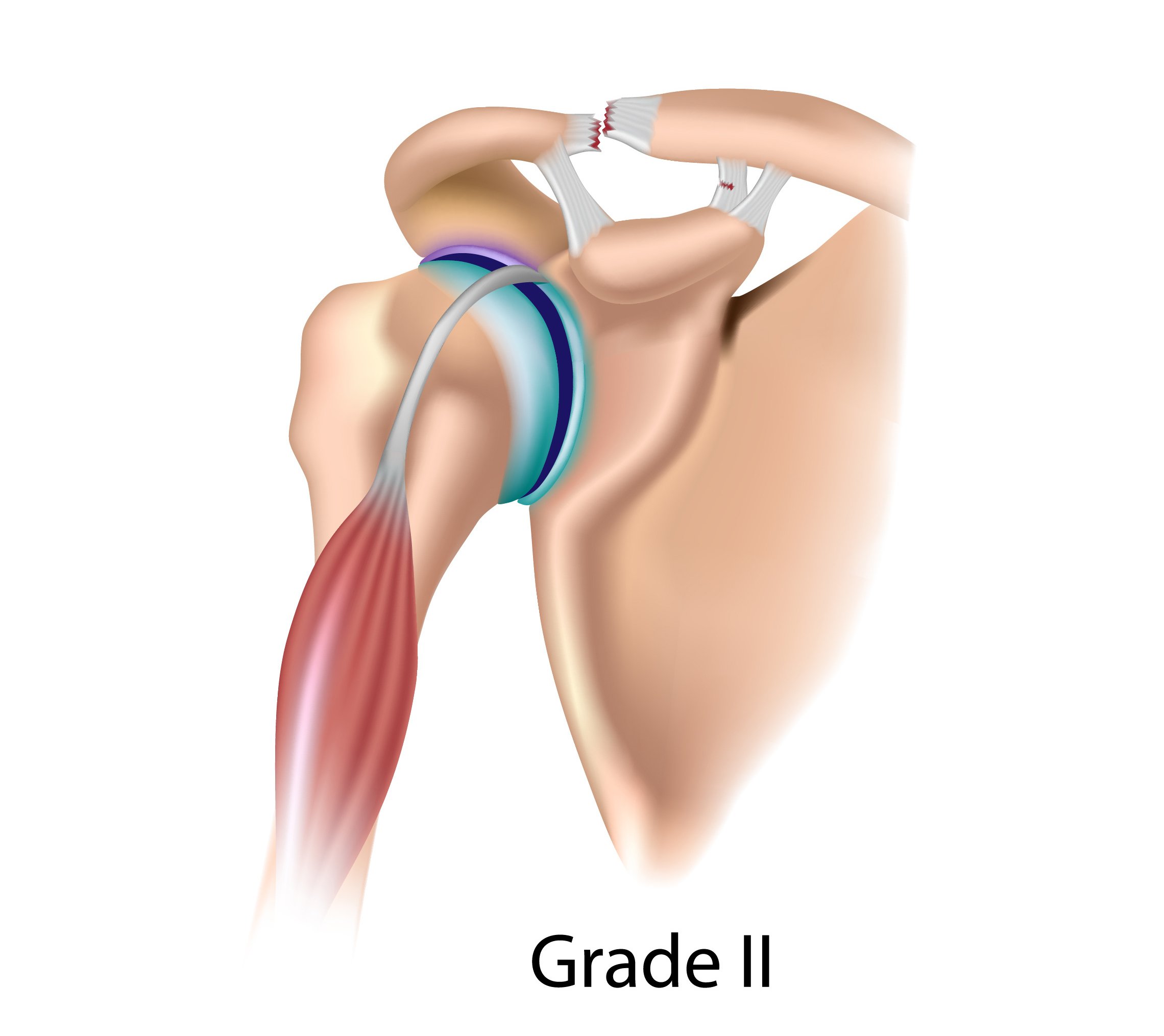
I separated my AC joint on another ride because my tire slowly leaked air during a big day out. I did not realize I was down around 12 PSI. On a rocky landing, the tire folded under the rim… This sudden wheel system failure pitched me head-first over the bars. This failure to monitor tire pressure resulted in a type 2 AC Joint injury and four separated ribs.
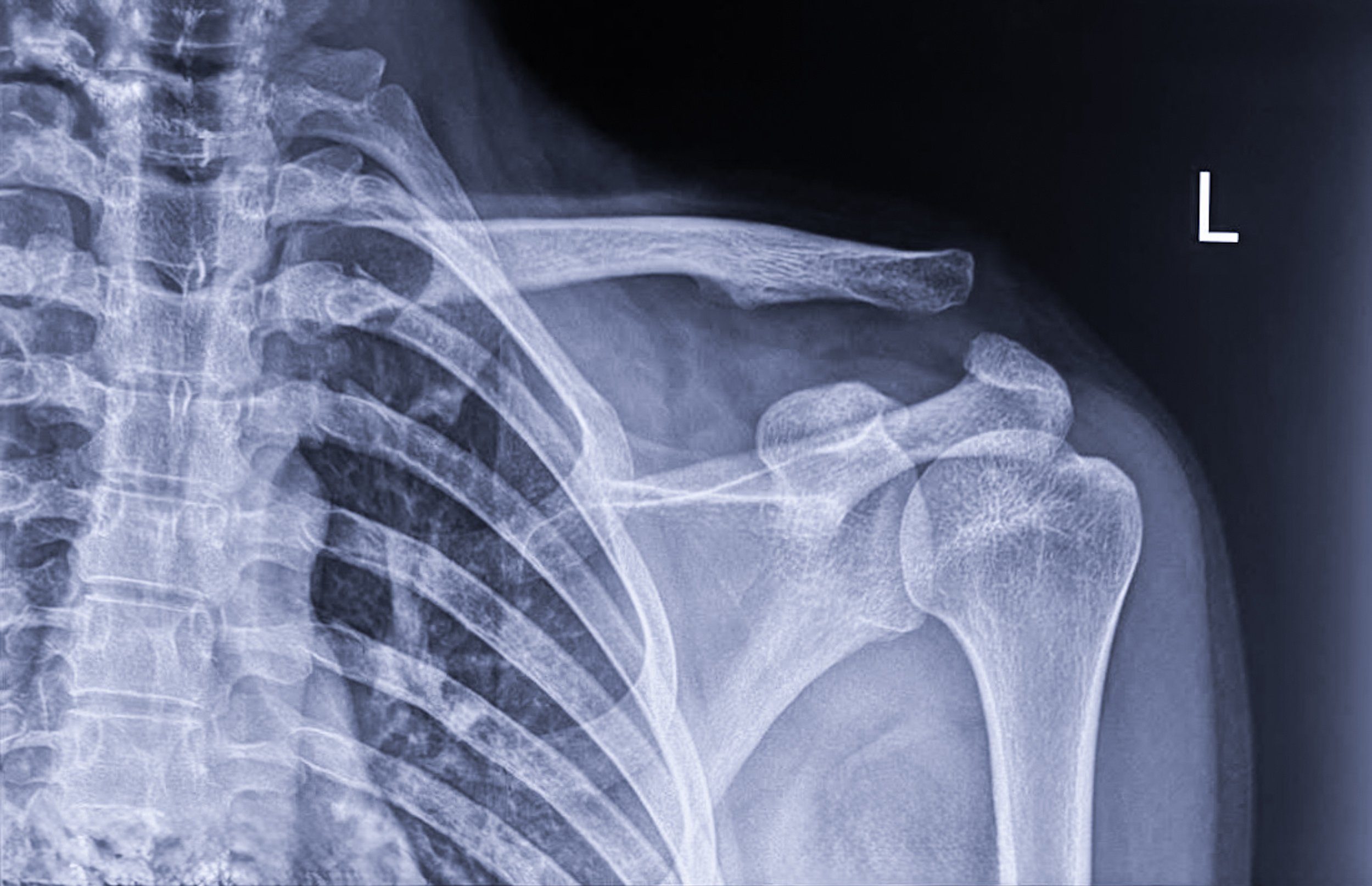
These weren’t reckless moments. They were my lack of experience meeting the reality of physics.
Those hard-learned lessons are part of the reason I founded Berm Party.
If You’re Building Jumping Skills
> Suspension Setup (Start Here)
Most important step:
Begin with manufacturer-recommended baseline suspension settings for your weight and set your sag correctly.
You can find setup guides here:
RockShox: https://trailhead.rockshox.com/en/product/search/serial
Öhlins: https://www.ohlins.com/en-us/mountain-bike/front-forks
Baseline first. Fine-tune later.
NEVER forget to set your rebound for your weight.
Air pressure & rebound for weight is typically found on the fork leg.
To better understand compression I like to use the following protocol.
Set sag to 30% with no compression.
Add compression until I hit 25% sag.
> Tire Pressure
Check tire pressure before and during long ride days
Run appropriate PSI for your weight and terrain
For reference:
I weigh 185 lbs and typically start around 23 PSI.
Heavier riders often need slightly higher PSI
Lighter riders may run slightly lower
Low pressure can feel good — until it folds under load.
C. Progression
Start with smaller features
Progress gradually
Stop before fatigue sets in
Improper setup under load causes injuries.
Confidence builds skill.
Fatigue builds risk.
Everyone is at a different place in their riding journey.
Be kind to yourself and respect the process of expanding your current limitations.
3. Height -&- Weight
Height
When choosing a bike size, always start with the manufacturer’s sizing chart.
At 5'7", I personally prefer:
Top tube: 600mm or less
Reach: 450mm or less
If you plan to ‘over-fork’ your bike, it will reduce your effective reach. The same can happen when converting to a mullet setup. Both changes subtly shift fit and handling, which is easy to overlook when you’re new.
For me:
~425mm reach is the absolute minimum I can ride comfortably without needing a longer stem.
Anything over 450mm starts to feel uncomfortable on longer pedals.
These are my baselines — not universal rules. But it’s worth noting that at my height I can technically fit anywhere from S2 to S4 in Specialized sizing (especially if mulleting an S4). That flexibility is something many first-time buyers don’t realize they have.
Fit is personal. Geometry numbers matter more than the letter on the frame.
Weight
If you’re under 215 lbs, most modern trail bikes will work just fine.
Once you’re above 215 lbs, bike design starts to matter more — especially if you ride aggressively or hit larger features.
For heavier riders, I’d be cautious with:
Highly asymmetric frame designs
Short Travel XC bikes
My suspicion? Some of these systems simply aren’t designed to handle the increased forces that come from heavier riders pushing hard on difficult terrain.
That doesn’t mean they’re bad bikes — it just means physics matters.
4. Your desire to meet riders?
Bike choice can influence how you connect with people on the trail—very similar to car culture. At popular trail systems, it’s common to meet riders who want to talk bikes.
The industry is full of options: some brands have cult followings, others are universally respected. For beginners who want to get involved with the community, I recommend well-known brands like Transition, Rocky Mountain, Santa Cruz, and Specialized. These brands signal that you’ve done your research.
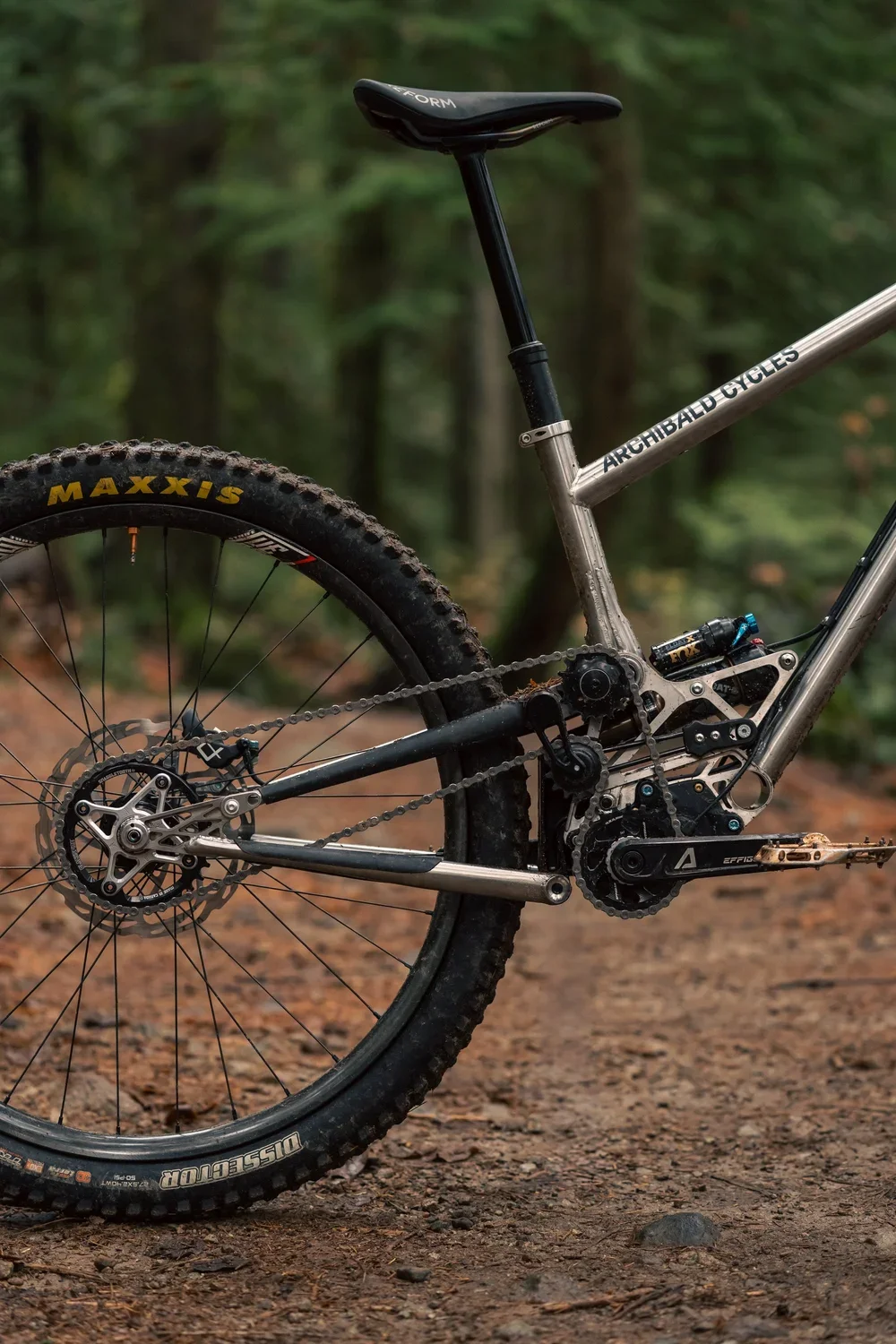
Smaller or more niche brands—Forbidden, Norco, Archibald Cycles, Chromag, RAAW MTB, Vampire, Canfield, and others—often spark deeper conversations around mountain bike engineering and design.
5. Your skills with a wrench and free time?
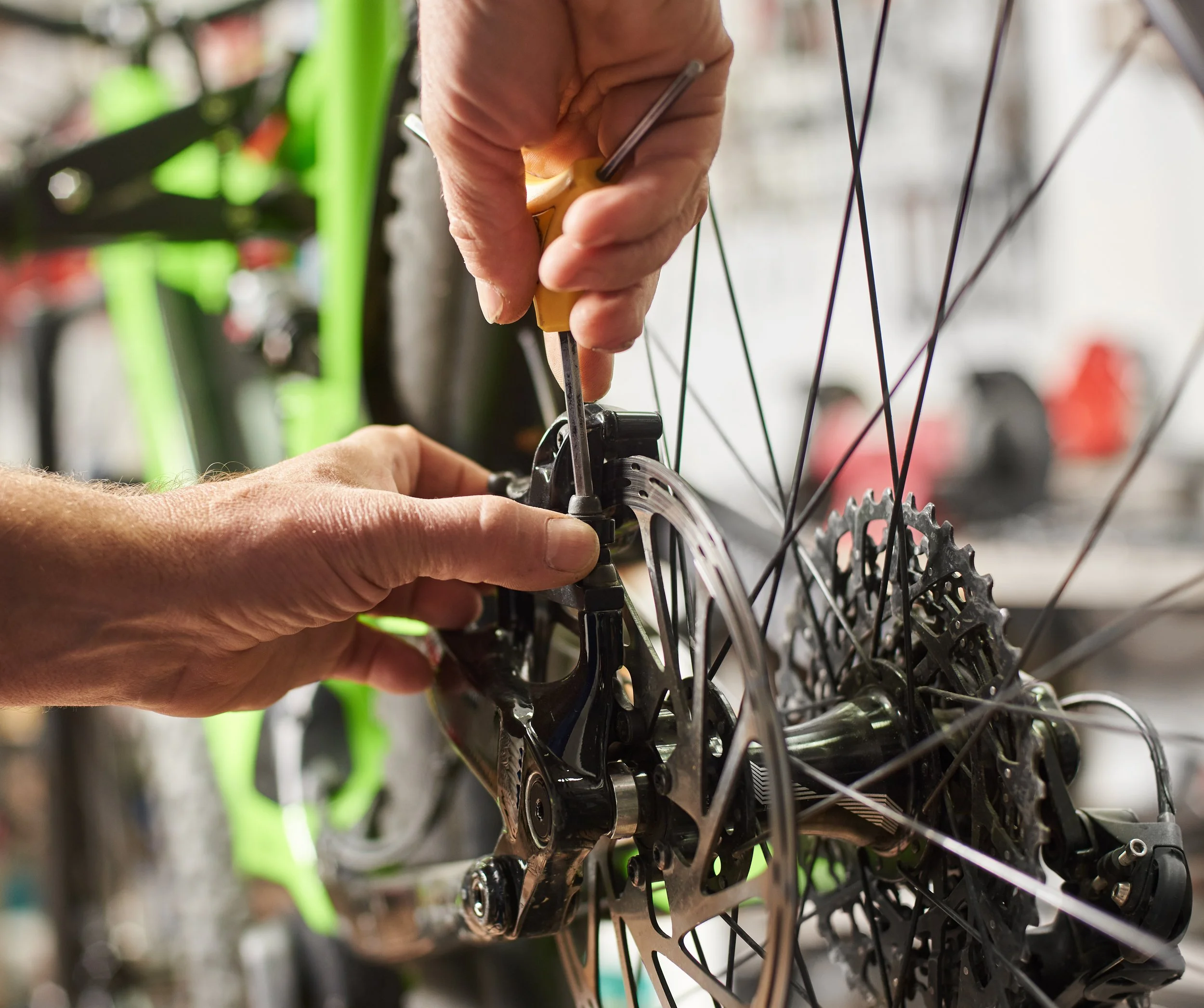
There are a lot of used bikes available at great prices, but used bikes typically require additional service. New bearings, shock and fork servicing, tires, wheel truing, and frame inspection should all be considered.
If you buy used from Craigslist or Pinkbike, plan to spend at least $400 on replacement parts and service during the first year.
Be certain the frame is not cracked, and carefully inspect suspension stanchions for scratches or damage.
6. Your Current Fitness Level?
Be honest with yourself about where you are right now — not where you used to be or where you want to be.
Mountain biking is a great way to build fitness because it’s low impact on your joints. That said, it’s important to consider the trails you have access to so you can shake off the rust and build endurance gradually over a few months. Climbing fire roads, navigating technical features, and riding for 1–3 hours takes real stamina.
If you:
Haven’t ridden consistently in a while
Are coming back from injury
Prefer shorter efforts
Or ride with mixed-ability friends
An eMTB or lighter trail bike might make the experience far more enjoyable.
If you can ride more often, your fitness and bike-handling skills will improve dramatically.
On the other hand, if you’re already active and comfortable pushing your heart rate, a traditional trail or enduro bike may feel more grounding. I’ve found that the slower pace of my analog bike allows me to take in the beauty of the wilderness around me — and in many ways, that’s the reason I keep coming back to mountain biking.
7. Your Access to a Local Bike Shop?
A good local bike shop can make your first season dramatically smoother.
If you’re new to suspension setup, brake bleeding, drivetrain tuning, or tubeless tires, having a shop that offers:
Free initial tune-ups
Suspension setup help
Honest advice
Replacement parts in stock
can save you time, money, and frustration.
Online deals can be tempting, but support matters — especially early on. A shop that knows your name and riding style is worth more than a small discount.
If you plan to wrench yourself, that’s great. But if you don’t, build your purchase decision around who will help you maintain the bike long term.
8. Budget Beyond the Bike?
Your first-year costs will go beyond just the bike.
Plan for:
A quality helmet
Pedals and shoes
Gloves and eyewear
A floor pump and basic multi-tool
Tire maintenance
Possible suspension service
If you buy used, budget several hundred dollars for parts and service during the first year.
Mountain biking doesn’t have to be expensive — but being realistic about total cost will prevent frustration later.
Invest in safety and fit first. Fancy upgrades can wait.
Party on your terms…
There’s no “one-size-fits-all” bike. The ‘right’ bike fits your body, your terrain, your fitness level, and your goals. It should keep you injury-free, excited to ride, and confident enough to come back week after week.
Mountain biking isn’t about owning the trendiest bike — it’s about building a relationship with the trail and the community around it. Choose the setup that helps you ride consistently, progress safely, and enjoy the process.
Comfort + Consistency = Progression.
Slow is smooth. Smooth is Fast.
Investing time in the process will yield results that translate into long-term wellbeing through deeper patience and elevated awareness.
Budget considerations:
Option A – You want maximum access and fun right away
eMTBs flatten the learning curve and make longer rides more accessible.
Option B – You want the best value in the $2k–$5k range
Modern aluminum full-suspension bikes, quality hardtails and used eMTBs live here.
Option C – You’re under $2k or love wrenching
The used market can stretch your dollar — just budget for service.
Craigslist.org & https://www.pinkbike.com/buysell/